The Studio Sessions
Inside the creative process
Ben Klock has been a resident at Berghain since 2005, which means he has spent nearly two decades playing in the most mythologized club in the world. This is either a blessing or a curse, depending on how you look at it. On one hand, it has given him a platform and an audience that most DJs can only dream of. On the other hand, it has made him, in the eyes of many, synonymous with a very specific sound — dark, relentless, hypnotic — that can feel like a constraint as much as a definition.
The reality, as with most things involving Berghain, is more complicated. Klock's sets at the club are indeed long and intense, but they are also remarkably varied — he moves between industrial noise, melodic techno, and moments of genuine tenderness that catch you off guard. His label Klockworks, which he founded in 2006, has released records by Truncate, Surgeon, and Blawan, among others, and has become one of the most respected imprints in contemporary techno.
What is less often discussed is Klock's background. He studied music formally, plays several instruments, and came to electronic music through a genuine love of composition rather than through the club scene. This gives his work a structural rigor that distinguishes it from producers who learned to make techno by making techno. There is always a sense, in a Klock record, that every element is exactly where it needs to be.
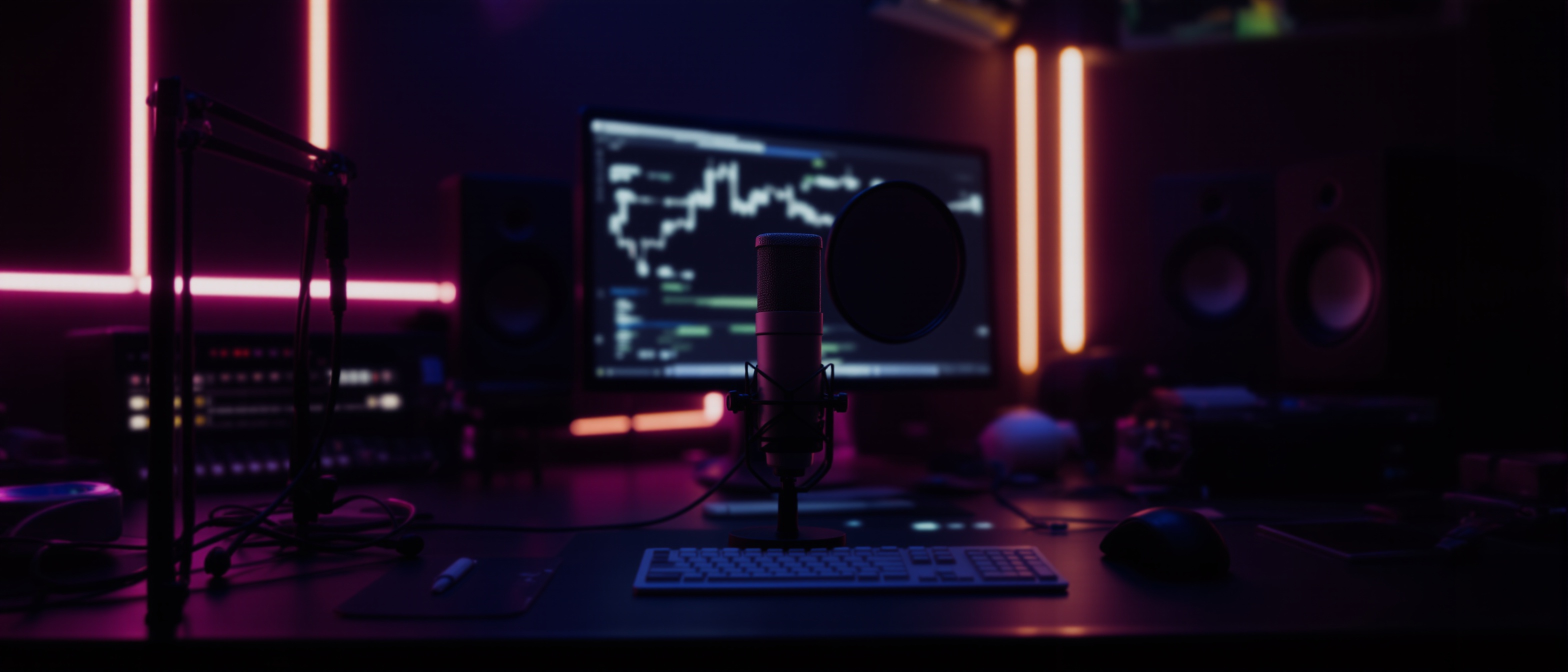
We met him in Berlin, in the studio he has occupied for the past decade. It is a quiet space, surprisingly so — no monitors blasting, no half-finished tracks playing. He works in silence until he has something worth hearing.
Berghain is not a club. It's a church. And I mean that with complete sincerity. People come there to lose themselves, to find something they can't find anywhere else.
- Ben Klock
In Conversation
The length changes everything. In a short set, you're always aware of time — you have to make decisions quickly, you can't afford to be patient. In a long set, you can breathe. You can take the crowd somewhere slowly, let them settle into a groove, then shift the ground beneath them. The best moments in a long set are the ones that happen three or four hours in, when everyone has forgotten what time it is.
Related Interviews
More from the DeepWaves editorial series
Discussion
Share your thoughts on this piece
No comments yet
Be the first to share your thoughts
Have a story to tell?
DeepWaves is always looking for passionate writers, journalists, and artists to contribute interviews, reviews, and features to our editorial series. Pitch your idea and join the conversation.